Skip to content

Me & AI

I’ve been doing this long enough to know what good looks like.

That experience shapes what I ask AI for, the answers I challenge and what I choose to use. I bring the context, question assumptions and decide what’s useful, what needs more work and what to leave behind.

AI has become part of how I think, explore and build. It lets me try ideas faster, get closer to the technology and make things that might otherwise never get made. From early on, I’ve put the most capable models I could access to work on real projects.

Working this way has sharpened my instinct for where AI is heading. I follow an idea, try it on real work and learn from what happens. Over time, I’ve noticed that many of the workarounds and approaches I explore later become supported by the tools themselves.
2024

AI could take in project documents and help turn them into drafts you could edit.

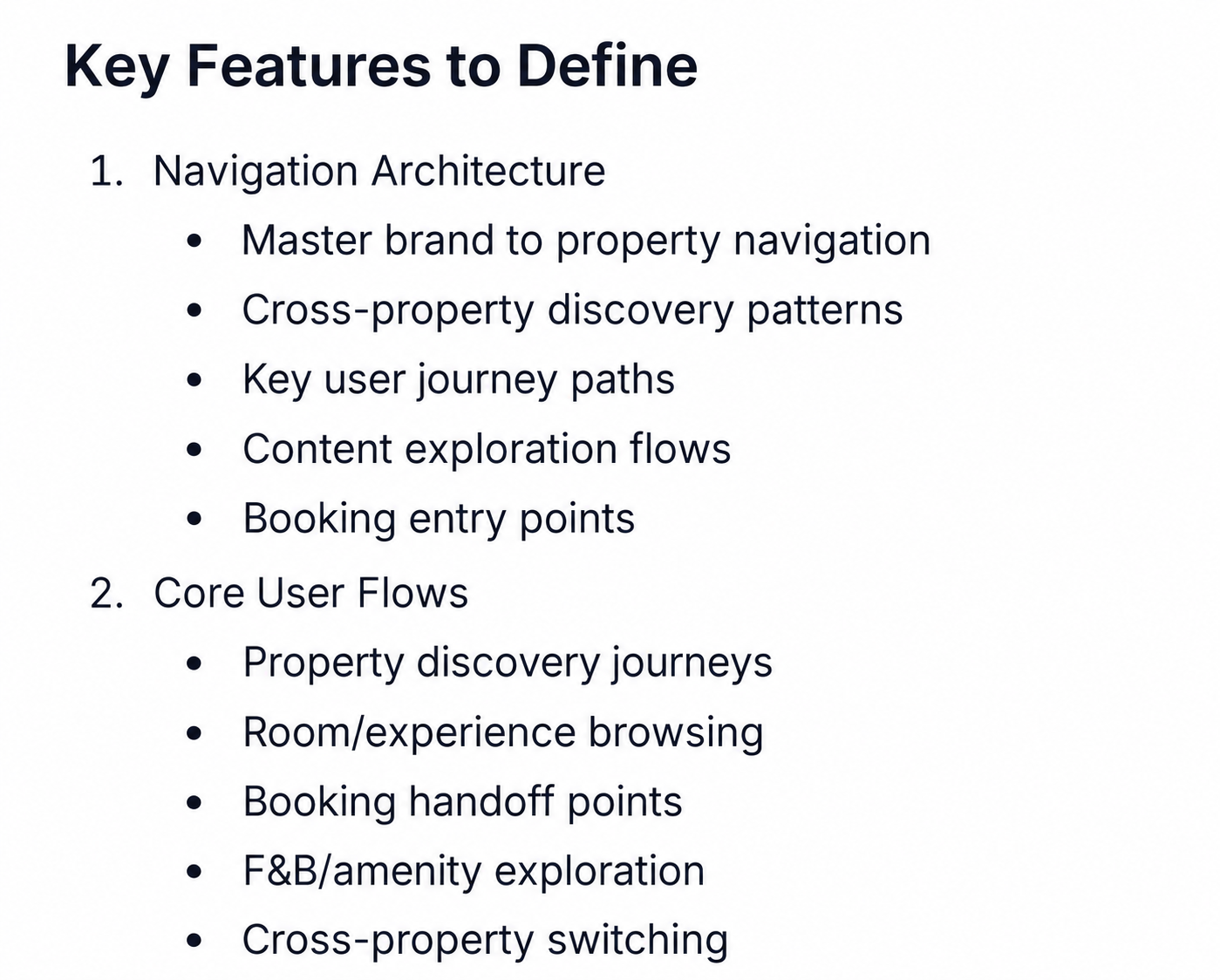
Cropped Ayala Land Hospitality discovery requirements, used as an illustration of requirements work

Ayala Residential

Requirements, in batches

Acceptance criteria had drifted from what we’d built, and dependencies across tickets made updating them by hand impractical. AI wasn’t yet capable of handling the whole project, so I devised a way to work through it in batches, preparing the criteria for QA and client testing.

You could describe what you wanted to build and get help writing the code, right in the editor.

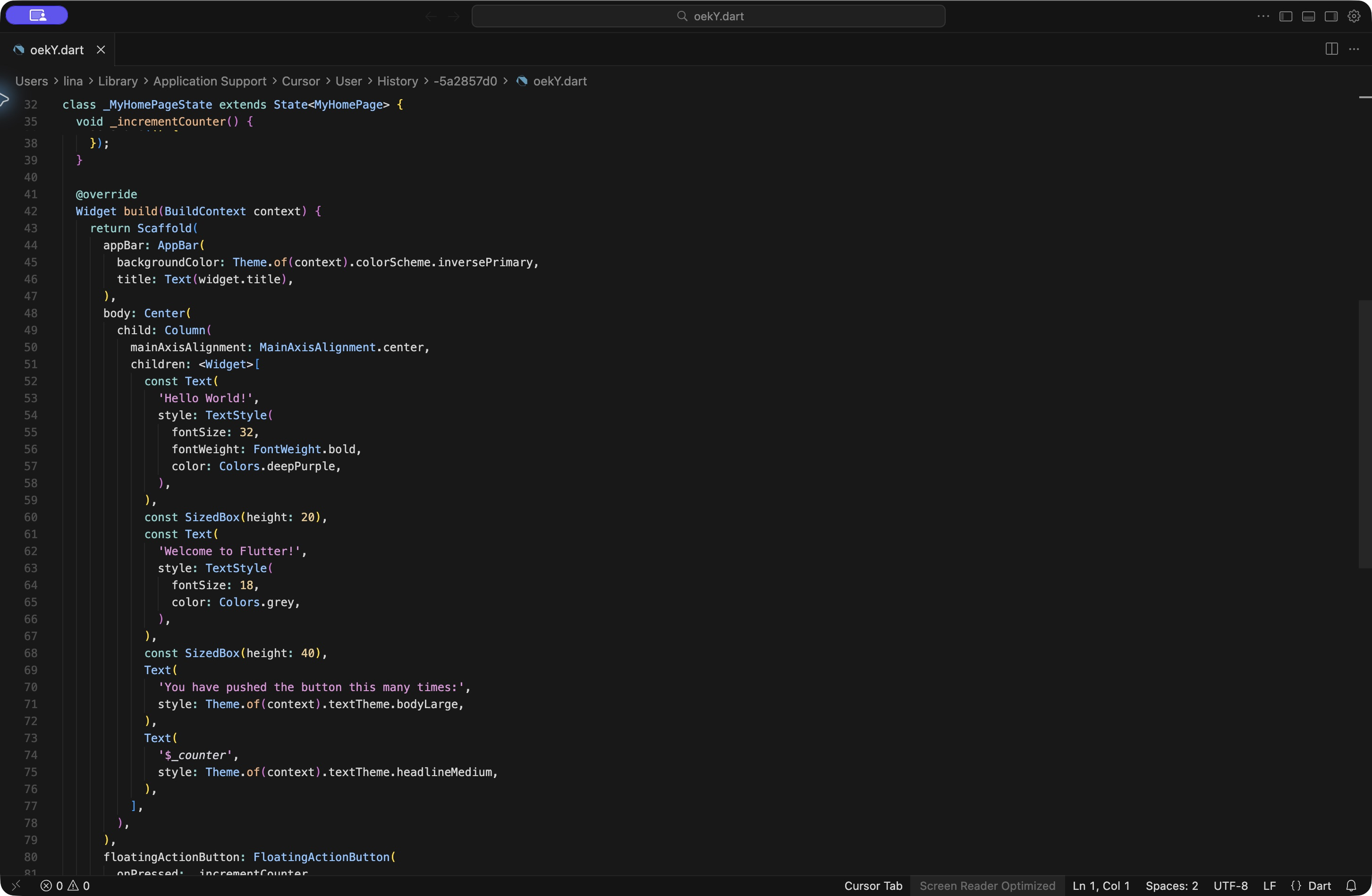
Flutter source code showing Hello World and Welcome to Flutter

My first Hello World

An internal product team challenge got me building in Flutter with AI. I’d never opened Terminal before, but suddenly I could experiment, ask questions when I got stuck, and learn by doing. It got me hooked on AI-assisted coding. Four months later, I was working alongside my senior engineers and submitting production-ready code to Care to Cure.

2025

AI could make changes across a project, run tests and work through coding tasks.

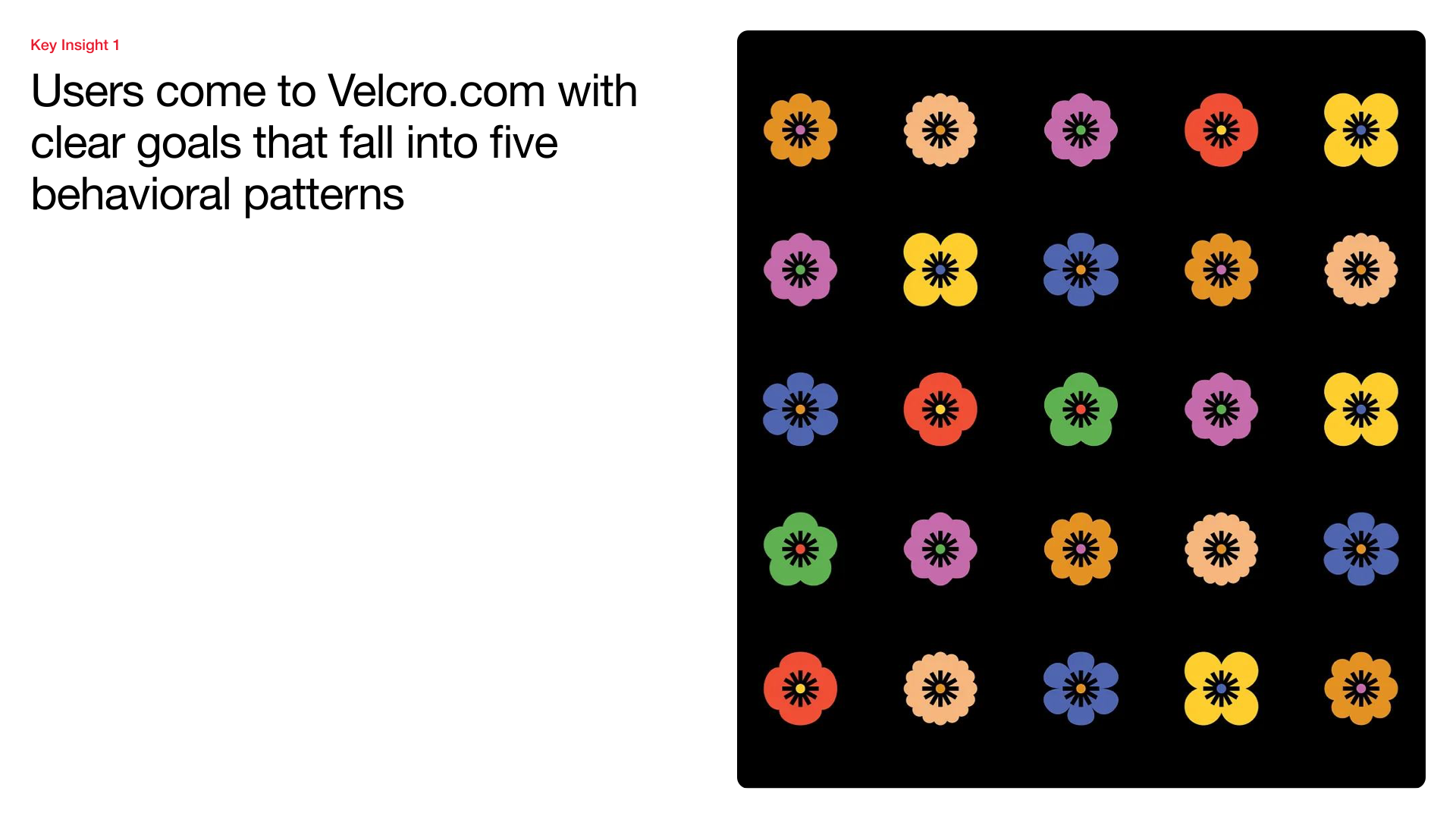
Velcro website research findings slide showing five user behavioural patterns

Velcro

More time for insights

I ran the interviews and knew what I wanted to explore. For the first time, I could use AI to work through transcripts at scale: pulling quotes, creating highlight reels and synthesising themes faster. That gave me room to go deeper, connecting observations across an ever-growing web of research to find the insights that mattered. The result was one of the strongest research decks I’ve ever presented, shaping the roadmap for the next three years.

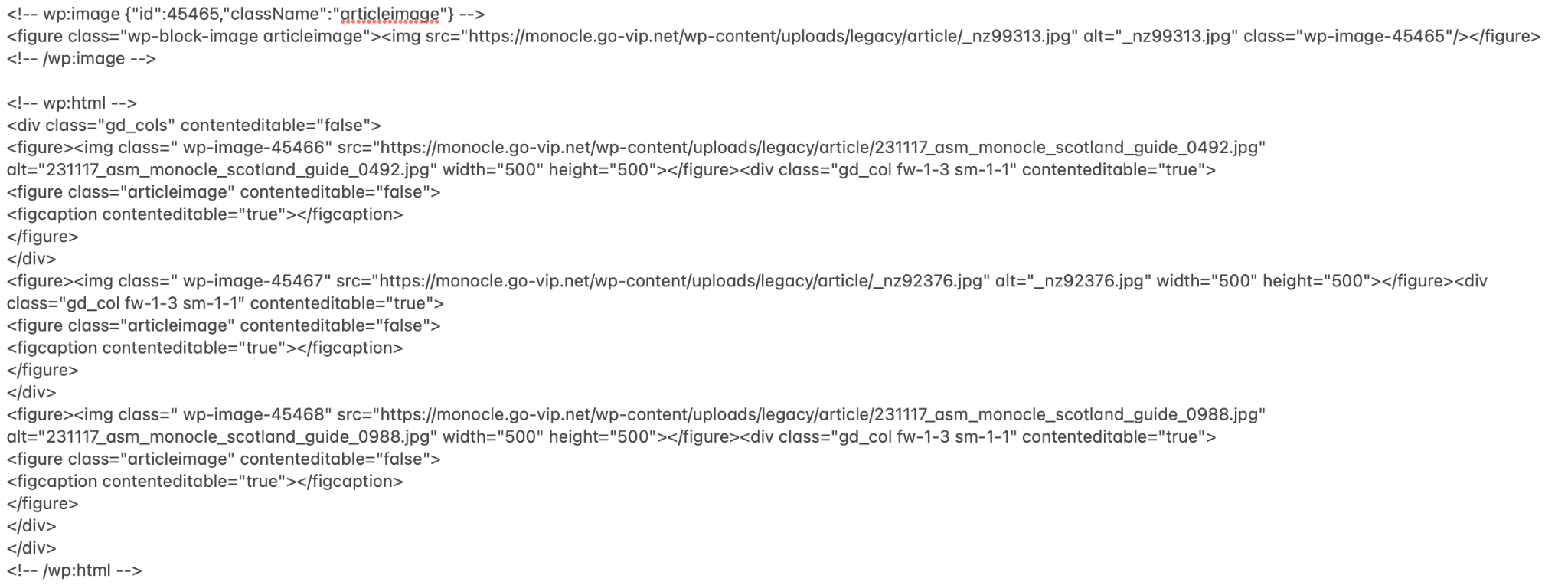
Monocle’s old WordPress markup with image and column layout tags

Monocle

Article migration

I pasted Monocle’s old WordPress markup into Claude, chat by chat, guided by a growing rulebook and checked through human visual QA. Each edge case made the rulebook stronger, turning a manual workaround into a repeatable editorial workflow we handed over to the client. It was a pre-agentic feedback loop, built before the tools could retain that context and run the process themselves.

2026

You could give several agents different tasks and reuse instructions across projects.

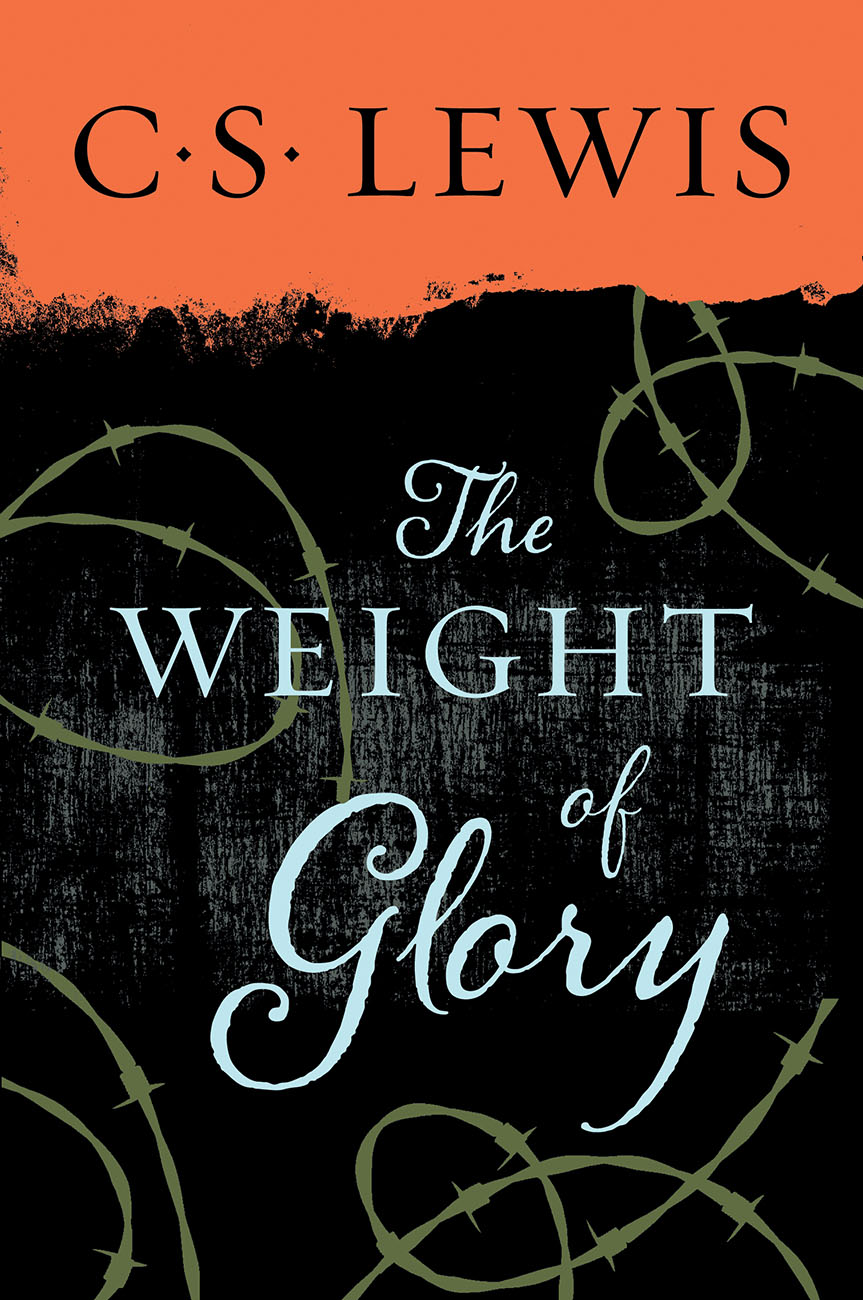
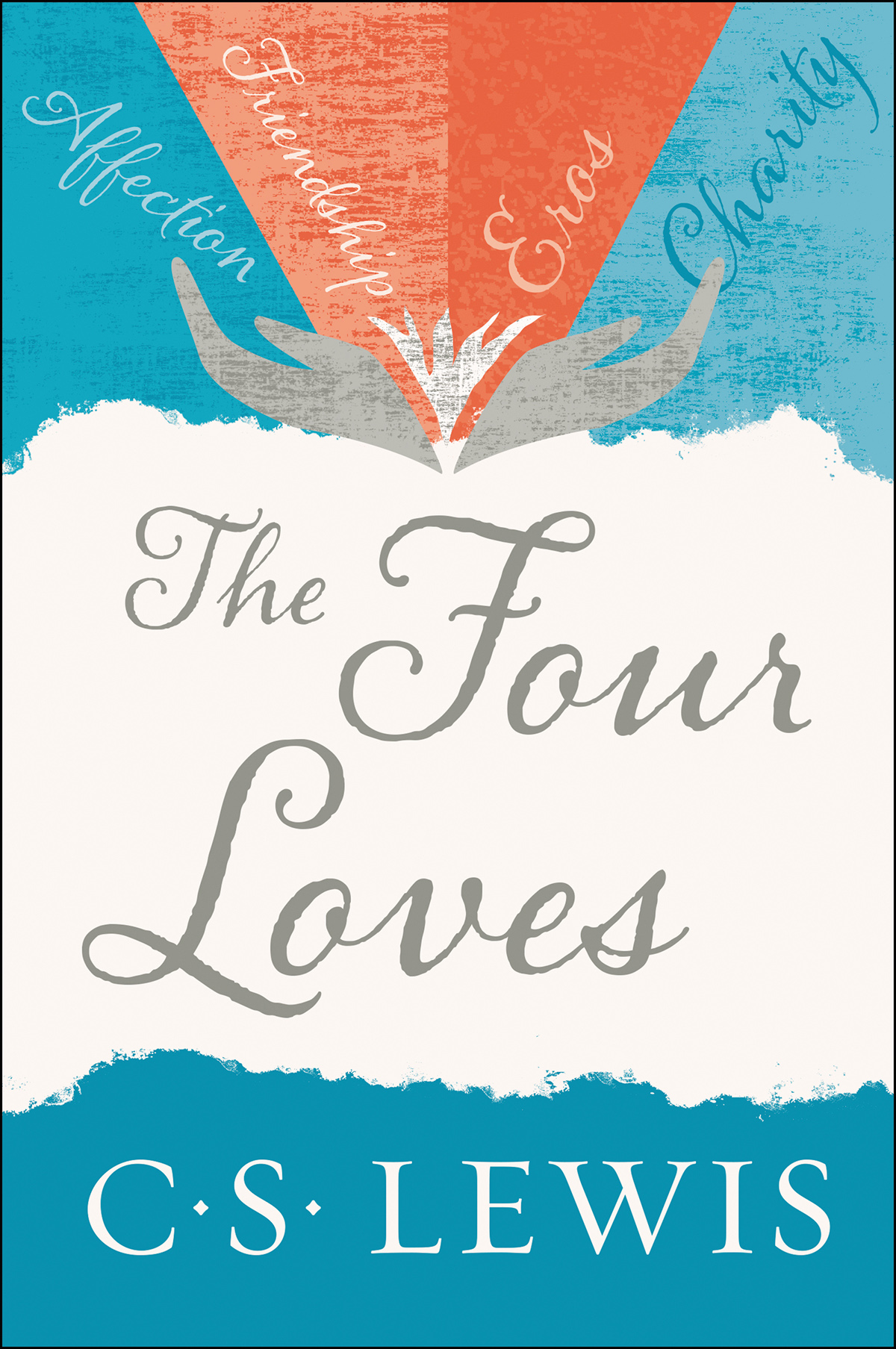
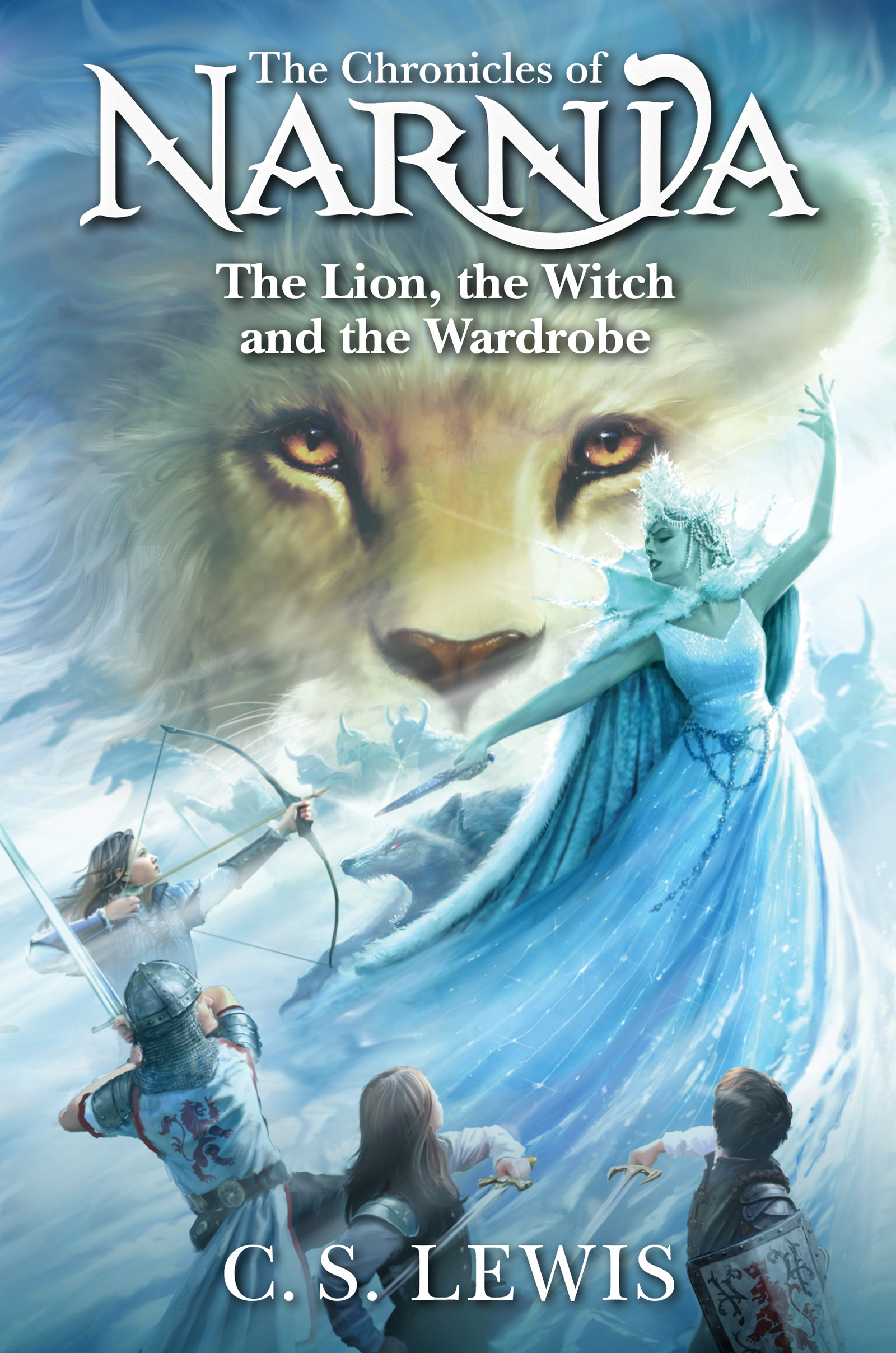
C.S. Lewis

AI drafts. People review

I built editorial tools that use AI to draft interpretations while protecting the source text. The team reviews the material before it is used.

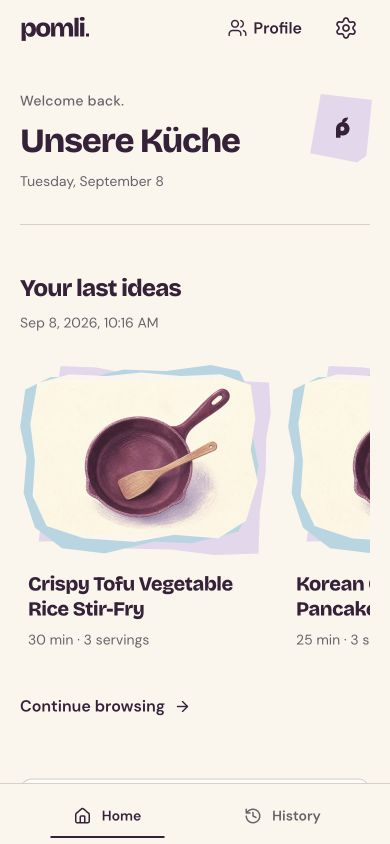
pomli.Pomli’s home screen with illustrated meal ideas

Pomli

A product of my own

A weekend experiment with the latest model became a bilingual app on Cloudflare in three days and an invite-only beta in three weeks. I directed and tested the build while AI wrote the code, focusing on the backend: Auth0 authentication, keeping user data separate from the shared recipe database, and reusing suitable recipes before generating new ones.

Read the case study
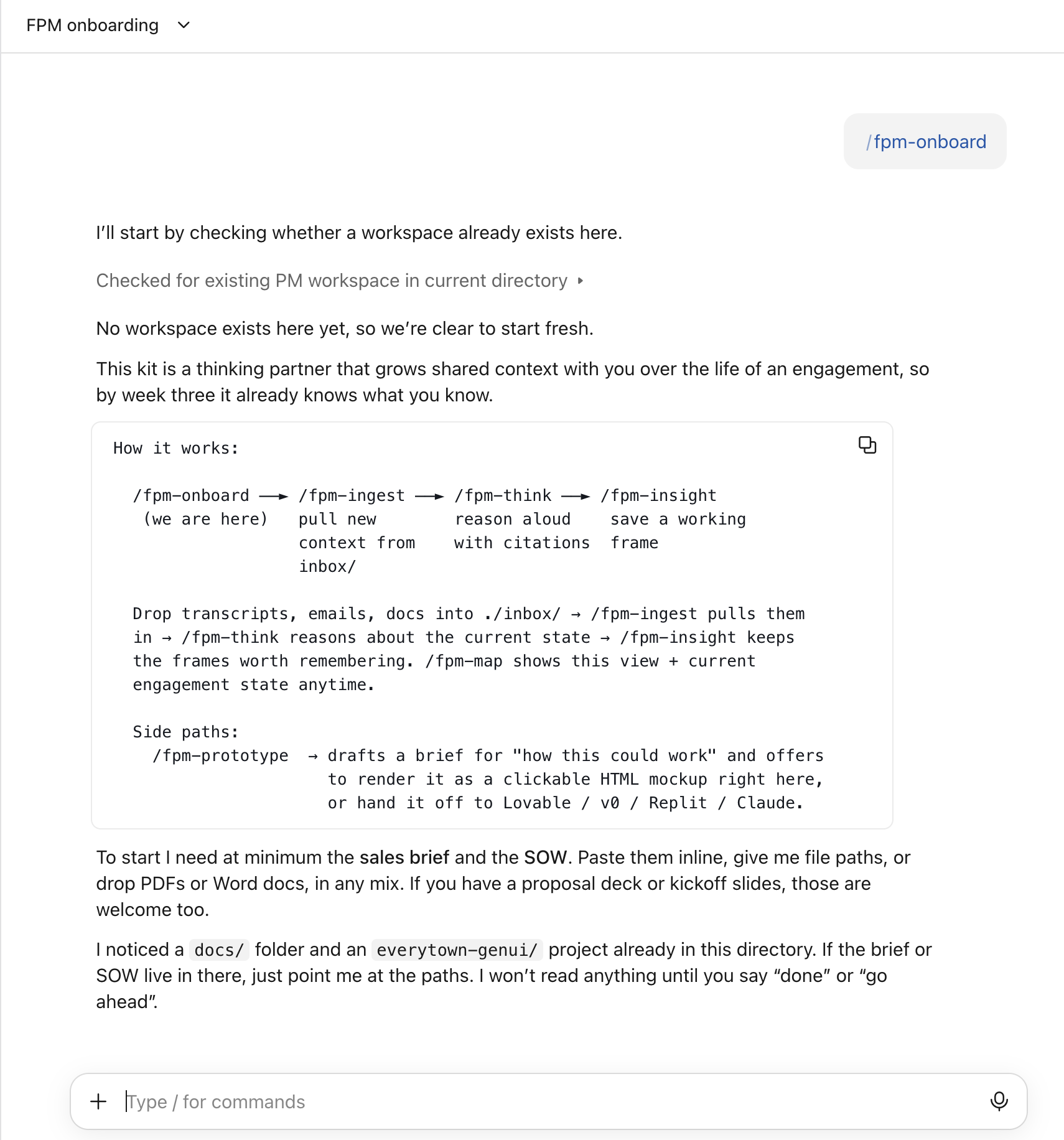
Product Management Kit onboarding showing the discovery workflow

Product Management Kit

A knowledge agent for discovery

The first days of discovery bring a flood of changing information. I built a reusable kit that helps teams build understanding quickly and keep it current. A growing knowledge agent maintains a risk register, an insights register and a pulse board as the project evolves.

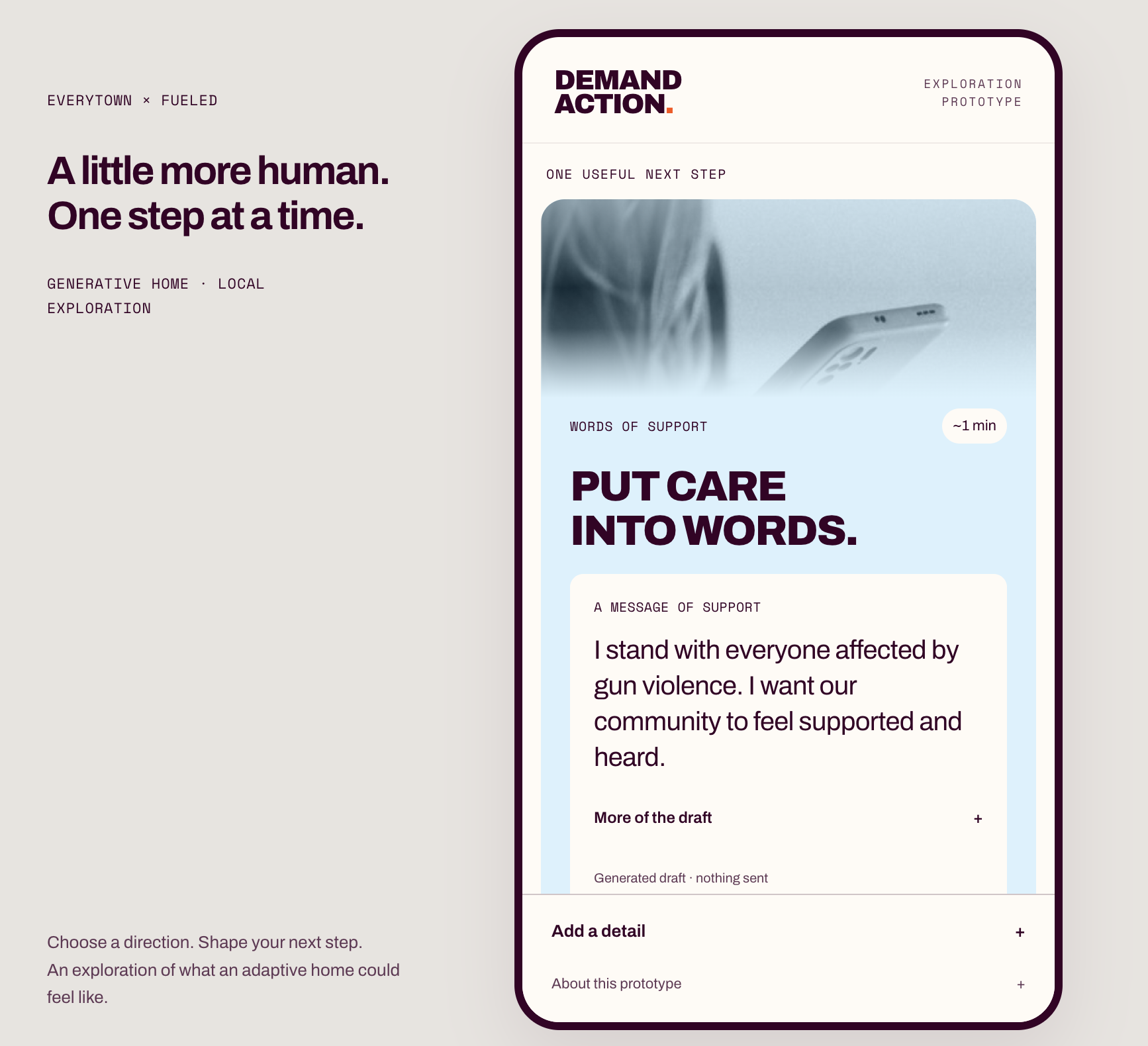
Full phone prototype showing Put care into words and a generated support draftFull prototype screen showing Find your people and a fictional event example
Exploratory prototype showing sample content and fictional events.

Generative UI

An interface shaped by intent

Preparing to speak to C-suite executives in London about generative UI, I wanted firsthand experience rather than just a point of view. I built a proof of concept around a real product scenario to explore how an interface might take shape around what someone wants to do. The goal was to learn by making.

The experience, curiosity and judgement behind the work will always be my own.

Get to Know Me